Mastering PKR Risk: Global Business Strategies & Compliance
International businesses in Pakistan face currency risks from PKR volatility but can capitalize on o…….

International businesses in Pakistan face currency risks from PKR volatility but can capitalize on opportunities in sectors like renewable energy and job creation initiatives. Effective strategies include monitoring PKR movements, using hedging tactics, diversifying portfolios, and adhering to local financial regulations for stable operations and positive business reputation. Staying informed about exchange rates and compliance fosters resilience and contributes to economic growth through tourism and poverty alleviation.
Managing currency risk associated with the Pakistani Rupee (PKR) is crucial for international businesses navigating global markets. This article offers a comprehensive guide on best practices, delving into PKR fluctuations, effective strategies, and compliance nuances specific to international operations. By understanding the dynamic nature of PKR exchange rates and implementing robust risk management techniques, businesses can mitigate potential losses and ensure stability in their global transactions.
- Understanding PKR Fluctuations in Global Markets
- Strategies for Effective Currency Risk Management
- Compliance and Legal Considerations for International Businesses
Understanding PKR Fluctuations in Global Markets
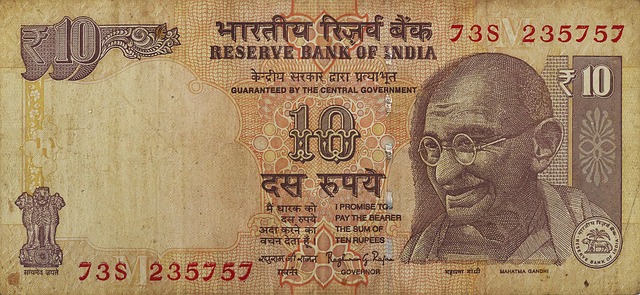
The Pakistani Rupee (PKR) experiences fluctuations in global markets due to various economic factors, presenting both challenges and opportunities for international businesses operating in Pakistan. Understanding these shifts is crucial for effective risk management and strategic decision-making. One key factor influencing PKR’s value is the country’s fiscal deficit concerns, which can impact investor sentiment and currency stability. Additionally, the renewable energy push and job-creation initiatives implemented by the government have contributed to a positive economic outlook, potentially attracting foreign investment and strengthening the rupee in international trade.
Business leaders should stay informed about PKR movements, especially when engaging in long-term projects or planning expansions. By monitoring these fluctuations, companies can adapt their financial strategies, pricing models, and supply chain management. Moreover, staying attuned to market trends enables businesses to capitalize on opportunities, such as participating in the country’s growing sectors like renewable energy. For instance, those involved in event management or similar industries can find us at growth-oriented events, networking with local partners to navigate these changes and unlock new prospects in Pakistan.
Strategies for Effective Currency Risk Management

Managing currency risk is a strategic necessity for international businesses operating in Pakistan and dealing with the Pakistani Rupee (PKR). One effective strategy involves staying informed about PKR’s volatility against major currencies. Regular monitoring allows businesses to anticipate fluctuations and implement hedging strategies, such as forward contracts or currency swaps, to protect their financial health. Diversifying investment portfolios by including assets denominated in stable currencies can also mitigate risks associated with the rupee’s unpredictable nature.
Additionally, setting up robust budgeting systems that factor in PKR-versus-major-currencies exchange rates is crucial for long-term financial planning. By allocating resources and forecasting expenses accurately, businesses can better manage cash flow and ensure their operations remain resilient during periods of currency fluctuations. Moreover, keeping a close eye on economic indicators, such as inflation and interest rates, will enable companies to make informed decisions regarding PKR exposure and contribute to overall business stability. Visit us at job-creation-initiatives anytime for more insights into successful PKR management strategies in the dynamic international marketplace.
Compliance and Legal Considerations for International Businesses

International businesses operating in Pakistan must navigate complex compliance and legal considerations when managing the Pakistani Rupee (PKR). Understanding local financial regulations, tax laws, and money transfer rules is essential to avoid legal pitfalls and ensure smooth operations. Given the volatile nature of currency exchange rates, companies should stay updated on rupee-appreciation and depreciation trends, as these can significantly impact their financial strategies and foreign investment attractions.
Compliance with PKR-related regulations is crucial for maintaining a positive business reputation and fostering economic growth. Poverty alleviation efforts and tourism revenue generation initiatives, for instance, can benefit from rupee-eco-friendly investments and strategic planning. As the rupee’s value fluctuates in the global market, businesses must be agile and adapt their financial management practices accordingly. Visit us at any time to explore how best practices in PKR management can drive your international business forward while navigating inflation and rupee dynamics effectively.
Effective management of currency risks associated with the Pakistani Rupee (PKR) is vital for international businesses operating in dynamic global markets. By understanding PKR fluctuations, implementing robust strategies, and navigating legal complexities, companies can mitigate potential losses and capitalize on opportunities presented by the ever-changing foreign exchange landscape. Adopting best practices ensures stability and fosters success in international ventures, enabling businesses to thrive despite currency volatility.