Navigating Fluctuations: Pakistan Rupee’s Dance on Global Markets
The Pakistani Rupee's (PKR) value is subject to economic, political, and global forces, leading…….

The Pakistani Rupee's (PKR) value is subject to economic, political, and global forces, leading to volatility that impacts business, investment, and trade. Key drivers include export performance, remittances, geopolitical tensions, digital transformation, fiscal policies, and global economic trends. Businesses and investors must adapt strategies, monitor indicators, and diversify operations to navigate PKR fluctuations effectively. Strategic planning, informed decision-making, and staying abreast of market dynamics are crucial for managing currency risks and capitalizing on opportunities in a dynamic PKR environment.
The Pakistani Rupee’s fluctuations represent a significant economic narrative, profoundly impacting trade, investment, and daily life within Pakistan. Understanding the dynamics of its appreciation and depreciation is crucial for gauging the nation’s financial health and making informed decisions in an increasingly interconnected global economy. This article delves into the factors driving these changes, offering a comprehensive view of the Pakistani Rupee’s natural ebb and flow. By analyzing historical trends, current market forces, and policy interventions, we aim to equip readers with valuable insights into this vital currency’s performance, fostering a deeper appreciation of Pakistan’s economic landscape.
- Understanding Fluctuations in the Pakistani Rupee
- Global Economic Factors Affecting Pakistan's Currency
- Domestic Policies and Their Impact on the Rupee's Value
- Historical Trends: Appreciations and Depreciations
- Market Dynamics: Supply and Demand at Play
- Predicting Future Movements of the Pakistani Rupee
Understanding Fluctuations in the Pakistani Rupee

The Pakistani Rupee’s exchange rate fluctuations are a complex interplay of economic, political, and global factors. Understanding these movements is crucial for both domestic businesses and international traders engaging in creative arts, success startups, and entrepreneurship. In recent years, the rupee has experienced significant volatility, often appreciating against major currencies during periods of robust export industry strengths and logistics improvements. For instance, data from the State Bank of Pakistan shows a notable appreciation trend between 2019 and 2021, driven by a combination of sound economic policies and strategic investments in key sectors.
However, global events and domestic challenges can swiftly reverse this trend. Geopolitical tensions, changes in international trade dynamics, or even speculative market forces can lead to depreciation. A notable example occurred in 2022 when the rupee faced significant pressure due to rising energy costs and external debt obligations. This volatility presents both opportunities and risks for businesses navigating creative arts, startups, and global markets. Entrepreneurs and investors must remain agile, closely monitoring economic indicators and adapting strategies accordingly.
To navigate these fluctuations effectively, it’s essential to stay informed about the factors influencing the Pakistani Rupee. This knowledge enables businesses to make strategic decisions regarding pricing, sourcing, and export strategies. For instance, during periods of rupee appreciation, exporting goods becomes more competitive internationally, potentially boosting the export industry strengths that have historically contributed to its value. Conversely, recognizing the potential impacts of depreciation can help businesses mitigate risks through creative financial planning.
Given the dynamic nature of global markets, businesses should foster resilience by diversifying their operations and exploring innovative solutions. Engaging with industry leaders and financial experts, such as giving us a call at climate-change-adaptations, can provide valuable insights into managing currency risks and capitalizing on opportunities presented by fluctuations in the Pakistani Rupee. Ultimately, staying proactive and informed is key to thriving in an ever-changing economic landscape.
Global Economic Factors Affecting Pakistan's Currency
The global economic landscape significantly influences the fluctuations of the Pakistani rupee, one of the world’s most dynamic currencies. In an era defined by interconnected markets, various international factors play a pivotal role in determining its appreciation or depreciation. These factors extend beyond traditional trade dynamics and encompass fiscal health, remittances, and broader geopolitical considerations. For instance, Pakistan’s economic relationship with key trading partners like China, coupled with the stability of its fiscal policies, can bolster the rupee’s value. Conversely, global financial crises or shifts in investment trends may lead to currency depreciation.
Rupee-fiscal-health remittances-and-rupee are intricately linked, as remittances from Pakistani expatriates significantly contribute to the country’s foreign exchange reserves, which, in turn, support the rupee’s stability. According to the State Bank of Pakistan, remittances surged to a record high of $24.5 billion in 2021, reinforcing the currency’s resilience. Moreover, the property investment guide for Pakistan highlights the growing interest from foreign investors, who are drawn by the country’s real estate potential. This influx of capital can bolster the rupee but also presents risks if global market sentiment shifts suddenly.
Logistics improvements and job-creation initiatives have been instrumental in attracting foreign direct investment (FDI). As Pakistan works to enhance its infrastructure and business environment, it positions itself for greater economic integration. However, these developments must be carefully managed to ensure that the benefits trickle down to the broader economy and do not exacerbate existing currency pressures. To navigate these complexities effectively, investors and policymakers alike must stay abreast of global trends, fostering a strategic approach to capital flows and fiscal policy decisions that promotes sustainable rupee appreciation while mitigating potential risks.
Domestic Policies and Their Impact on the Rupee's Value
The value of the Pakistani rupee is subject to fluctuations influenced by a complex interplay of domestic policies and broader economic forces. Understanding these drivers is crucial for gauging its natural appreciation or depreciation in the global market. One significant factor is rupee-digitalization-impact economic-development-drivers. As Pakistan integrates digital technologies, particularly in finance, it enhances efficiency, increases trade, and potentially strengthens the rupee’s position. For instance, improvements in mobile money transfer services have facilitated cross-border transactions, boosting remittances—a vital driver of the rupee’s health.
Moreover, fiscal-health plays a pivotal role. Sound fiscal policies, such as managing budget deficits and maintaining debt sustainability, can instill confidence in investors, leading to capital inflows and a stronger rupee. However, inadequate fiscal discipline may result in depreciation pressures. Skill development programs aimed at enhancing the workforce’s capabilities also contribute indirectly by fostering economic growth and competitiveness, which are key factors influencing the rupee’s value.
On the other hand, global economic conditions and inflation dynamics, especially in major trading partners like the US, significantly impact the rupee. Given that inflation-and-rupee are closely linked, central bank policies become paramount. For example, raising interest rates to combat inflation can strengthen a currency, but it also depends on how these adjustments align with domestic economic goals and global trends. Remittances from Pakistani workers abroad remain a substantial source of foreign exchange income, helping to stabilize the rupee in the international market.
To navigate these complexities, policymakers must strike a delicate balance between fostering economic development drivers, ensuring fiscal health, and managing external influences. Give us a call at [your contact/consulting service] for tailored advice on navigating the dynamic rupee-value landscape in today’s global market.
Historical Trends: Appreciations and Depreciations

The historical trends of the Pakistani Rupee reveal a volatile yet evolving currency, subject to fluctuations influenced by economic policies, global markets, and domestic conditions. Over the past decade, the rupee has experienced both notable appreciations and depreciations, with significant impacts on Pakistan’s trade, investment, and tourism sectors. In periods of appreciation, the rupee strengthens against major currencies like the US Dollar, leading to cheaper imports and potentially boosting exports in the country. This was notably observed during the early 2010s when a combination of prudent monetary policies and robust economic growth contributed to a stronger rupee. Such appreciations can also attract foreign investors seeking opportunities in Pakistan’s growing green initiatives and visitor attractions, further bolstering the local economy.
Conversely, depreciations have historical roots in economic downturns, political instability, and high inflation rates. In 2018, for instance, the Pakistani rupee underwent a significant depreciation against the US dollar due to escalating current account deficits and rising import bills. This trend continued into early 2020, posing challenges for businesses relying on imported goods and services. However, these periods also offer strategic opportunities; depreciations can make domestic products more competitive in global markets, encouraging local manufacturing and fostering growth in money-transfer services to support international trade.
To navigate these trends effectively, businesses and investors must stay abreast of economic indicators, exchange rates, and government policies. Implementing strategies that cushion against volatility, such as hedging or utilizing specialized financial instruments, can help mitigate risks associated with rupee fluctuations. Additionally, focusing on diversifying export markets and exploring innovative green initiatives can capitalize on periods of currency strength while mitigating the impact of depreciation. For instance, Pakistan’s successful promotion of eco-tourism and renewable energy projects has attracted significant foreign investment, demonstrating how strategic adaptations to economic shifts can drive sustainable growth.
Find us at income-distribution for more insights into how these historical trends shape Pakistan’s economic landscape and what actions stakeholders can take to thrive in an ever-changing currency environment.
Market Dynamics: Supply and Demand at Play
The appreciation or depreciation of the Pakistani Rupee (PKR) is a dynamic process primarily influenced by market forces of supply and demand. In today’s globalized financial landscape, these forces are intricately linked to international economic trends, geopolitical events, and domestic fiscal policies. When demand for PKR increases relative to its supply, it naturally appreciates, making it worth more against foreign currencies. Conversely, a decrease in demand or an increase in supply can lead to depreciation, where the PKR’s value drops.
Key drivers of PKR fluctuations include export performance, remittances from expats contributing significantly to Pakistan’s economy, and job-creation initiatives aimed at boosting domestic consumption. For instance, a robust export sector tends to enhance the PKR’s value as the country earns foreign currency reserves through sales on global markets. Similarly, substantial remittances from Pakistani expats working overseas also bolster the rupee’s strength. On the other hand, uncertainties in economic policies or political instability can deter both domestic and foreign investment, leading to a weakened PKR.
Understanding these market dynamics is crucial for budgeting with PKR effectively, especially for those managing expat finances or planning long-term investments. A financial planning guide tailored to the Pakistani rupee would advise investors to stay informed about economic indicators, central bank policies, and global market trends. By keeping a close eye on these factors, individuals can make more informed decisions regarding savings, investments, and expenditure in PKR. For instance, when the PKR is expected to appreciate, it might be strategic to invest in assets denominated in PKR; conversely, during periods of anticipated depreciation, diversifying into foreign currencies could prove beneficial.
Give us a call at rupee-versus-major-currencies budgeting-with-rupee for personalized guidance navigating these complex dynamics and ensuring your financial strategy aligns with the evolving market conditions of the Pakistani Rupee.
Predicting Future Movements of the Pakistani Rupee
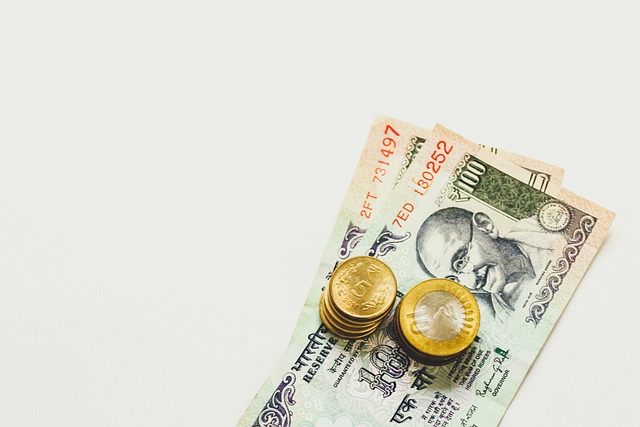
The unpredictable nature of global financial markets makes predicting the future movements of any currency, including the Pakistani Rupee (PKR), a complex task. However, by examining economic drivers, digital trends, and even climate change adaptations, investors can gain valuable insights into potential PKR fluctuations. In recent years, the PKR has experienced significant volatility due to various factors such as energy prices, remittances, and international debt. According to the State Bank of Pakistan, the rupee lost around 20% of its value between 2021 and early 2023.
Digitalization has a profound impact on currency dynamics, especially in an era where technology drives economic growth. The rapid adoption of digital payment systems and e-commerce platforms has facilitated smoother transactions, increased transparency, and fostered a more robust foreign exchange market for the PKR. This digitalization trend is expected to continue reshaping Pakistan’s economy, potentially influencing the rupee’s exchange rates. For instance, startups focusing on fintech innovations and creative arts using blockchain technology could contribute to a more efficient and secure financial ecosystem, impacting the PKR’s performance in international markets.
Moreover, economic development drivers such as infrastructure projects, foreign investment, and industry diversification play a crucial role in strengthening the PKR. The government’s initiatives to promote property investments, especially in climate-change-resilient areas, could attract foreign capital inflows, boosting the currency. However, investors must stay abreast of geopolitical events, global economic trends, and domestic policy changes that can swiftly alter market sentiment, affecting the rupee’s value.
In light of these considerations, investors looking to navigate the Pakistani Rupee should remain informed about economic policies, embrace digital advancements, and anticipate climate-change adaptations’ financial implications. By combining a strategic understanding of these drivers with expert insights, one can make more informed decisions in property investments or other ventures tied to PKR fluctuations. Remember that staying ahead of the curve in this dynamic environment requires continuous learning and adaptability, as evidenced by the success of startups and entrepreneurship initiatives thriving within the rupee-creative-arts-success ecosystem. Find us at rupee-creative-arts-success startups-and-entrepreneurship for more tailored advice and insights.
The Pakistani Rupee’s appreciation or depreciation is a multifaceted phenomenon influenced by global economic forces, domestic policies, historical trends, and market dynamics. Understanding these factors empowers stakeholders to make informed decisions in today’s volatile financial landscape. Key insights reveal that global events like geopolitical tensions and interest rate hikes can significantly impact the rupee’s value. Domestically, fiscal policies and trade balances play a crucial role, with historical data indicating periodic fluctuations driven by economic reforms and external shocks. Market forces, primarily supply and demand, further complicate movements. Predicting future trends requires meticulous analysis of these variables, highlighting the need for continuous monitoring and adaptation. By synthesizing this knowledge, investors, policymakers, and businesses can navigate risks and seize opportunities related to the Pakistani Rupee in an evolving global economic environment.