Risks of Saving in Pakistani Rupees: Inflation, Volatility, and Unrest
Inflation erodes Pakistani Rupee (PKR) savings power, prompting individuals and businesses to explor…….
Inflation erodes Pakistani Rupee (PKR) savings power, prompting individuals and businesses to explore diverse investment strategies, alternative currencies, and inflation-resistant financial products. PKR exchange rate volatility poses risks to international trade and investors' portfolios. Political unrest further compromises savings security, urging savers to diversify investments, use secure digital wallets, and stay informed about currency trends. Understanding interest rate traps is crucial to avoid stunting long-term savings goals in Pakistan's dynamic economic landscape.
In Pakistan, saving in the local currency, the Pakistani Rupee, may seem like a safe haven for many, but it’s not without risks. This article delves into the various challenges that threaten the security of your savings, including inflation eroding purchasing power, volatile exchange rates, political instability, security concerns, and interest rate traps. Understanding these risks is crucial for making informed decisions about preserving your wealth in the Pakistani Rupee.
- Inflation's Impact: Eroding Savings in Pakistani Rupees
- Currency Volatility: Risks of Fluctuating Exchange Rates
- Political Unrest: Instability and Its Economic Fallout
- Security Concerns: Protecting Your Wealth from Theft
- Interest Rate Traps: Understanding Low-Return Dangers
Inflation's Impact: Eroding Savings in Pakistani Rupees

Inflation is a silent yet powerful force that can significantly impact the purchasing power of your savings in Pakistani Rupees (PKR). Over time, rising inflation erodes the value of money, meaning that what was once considered a substantial savings may not buy as much as it used to. For instance, consider how medical access improvement and employment-generation initiatives, funded by savings, can become less effective due to inflation’s impact on PKR. As prices rise, each rupee saved becomes worth fewer goods and services, limiting the potential benefits these funds could bring to various sectors, from education-funding-requirements to overall economic growth.
The effect of inflation on savings is particularly notable in Pakistan’s context, where interest rates can fluctuate due to a variety of economic factors. When interest rates are low or negative (a scenario that has increasingly become more common), the value of saving in PKR may not only remain stagnant but also decrease. This challenges individuals and businesses alike to find innovative strategies to protect their savings from inflation’s eroding effects. For instance, diversifying investments, exploring alternative currency options, or adopting financial products designed to counterinflation could be potential avenues to consider.
Currency Volatility: Risks of Fluctuating Exchange Rates

The Pakistani Rupee, like many currencies globally, faces an inherent risk tied to its volatility in exchange rates. This volatility stems from various economic factors, including international trade dynamics, fiscal deficit concerns, and global market trends. When the value of the rupee fluctuates, it directly impacts the purchasing power of savers, making their money less valuable over time. For instance, a strengthening rupee against other major currencies can reduce the returns on foreign investments held in Pakistani Rupees.
This currency instability poses challenges for individuals and businesses alike, especially those involved in international trade. Fluctuating exchange rates can make it difficult to plan and budget, affecting profitability and cash flow management. Moreover, investors and savers must be vigilant about the impact of market shifts on their portfolio values, particularly when holding assets denominated in Pakistani Rupees or engaging in rupee-related transactions. To mitigate these risks, investors are increasingly exploring diverse strategies, such as renewable energy investments (renewable-energy-push) and strategic upgrades to road and rail networks (road-rail-network-upgrades), which can offer stability and new avenues for growth, separate from the unpredictable nature of currency markets.
Political Unrest: Instability and Its Economic Fallout

Political unrest and economic instability have long been associated risks when saving in any currency, and the Pakistani Rupee is no exception. Pakistan’s history is marked by periods of political turmoil, military rule, and democratic fluctuations, each leaving its impact on the economy. These instabilities lead to unpredictable exchange-rate fluctuations, making savings accounts less secure. Investors and savers must keep a close eye on these trends as they can significantly affect the value of their rupee savings over time.
The economic fallout from political unrest often results in high inflation rates, currency devaluation, and limited access to international financial markets. Such conditions pose challenges for poverty-alleviation efforts, especially when coupled with uncertain digital-currency initiatives. Savers might find themselves at a loss if they are not prepared for these sudden shifts. Therefore, it’s crucial to stay informed about rupee-global-reach digital currency trends and consider alternative savings strategies that can mitigate the risks associated with political unrest and its economic consequences.
Security Concerns: Protecting Your Wealth from Theft
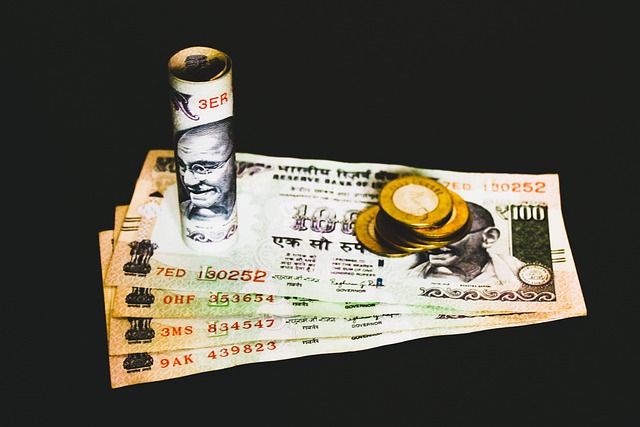
Saving in the Pakistani Rupee (PKR) comes with its unique set of risks, particularly when it concerns security. While the PKR is the official currency of Pakistan, offering numerous opportunities for economic growth and job creation initiatives, it’s crucial to acknowledge potential threats that can impact your savings. The ever-changing political and economic landscape of the country can lead to volatility in the rupee’s value, making your savings susceptible to sudden fluctuations.
Protecting your wealth from theft is another significant concern. As with any financial asset, saving in PKR exposes you to risks associated with fraud, cyberattacks, and physical security breaches. To safeguard your savings, consider diversifying investment options, utilizing secure digital wallets, and keeping an eye on the currency’s performance against sustainable energy costs. For ultimate peace of mind, it’s advisable to consult experts and stay informed about the latest economic trends and job-creation schemes in Pakistan. If you’re unsure, give us a call at cricket-as-national-passion – we’re here to help navigate these waters.
Interest Rate Traps: Understanding Low-Return Dangers
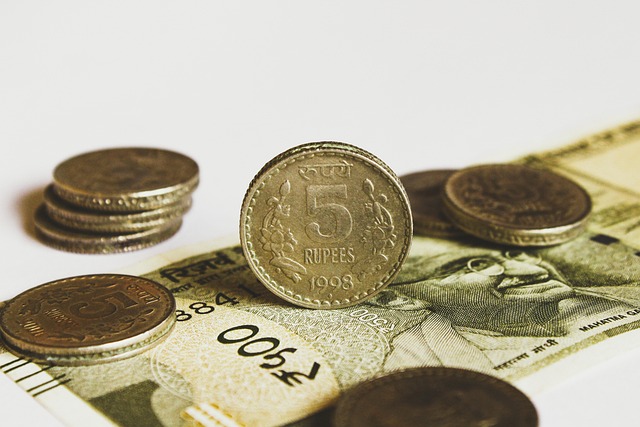
One significant risk associated with saving in Pakistani Rupees is falling into interest rate traps. While low-return savings accounts might seem appealing, they can actually hinder your financial growth. In Pakistan, where key industries and taxation systems play a pivotal role in the country’s economic health, understanding the risks of these seemingly benign accounts is crucial. Many savers are unaware that certain banks offer minimal interest rates on deposits, effectively trapping their money with limited or no significant returns over time.
This can be particularly detrimental for those looking to optimize their savings for long-term goals, such as remittances or investing in the country’s growing economy. To avoid these traps, it’s essential to compare interest rates across different financial institutions and consider options that align with your financial objectives. For personalized advice, give us a call at logistics-improvement—we’re here to help you navigate these challenges and ensure your Pakistani Rupee savings work harder for you.
Saving in Pakistani Rupees, while a common practice, comes with inherent risks that must be carefully considered. From inflation eroding savings over time to currency volatility and political instability, these factors can significantly impact the value of your savings. Additionally, security concerns and interest rate traps pose further dangers. Understanding these risks is crucial for making informed decisions about safeguarding your financial future in Pakistan. By staying informed and diversifying savings strategies, individuals can better navigate the challenges associated with saving in the Pakistani Rupee.