State Bank’s Role: Regulating Pakistani Rupee Exchange Markets
The State Bank of Pakistan (SBP) regulates the Pakistani Rupee to ensure economic stability, employi…….
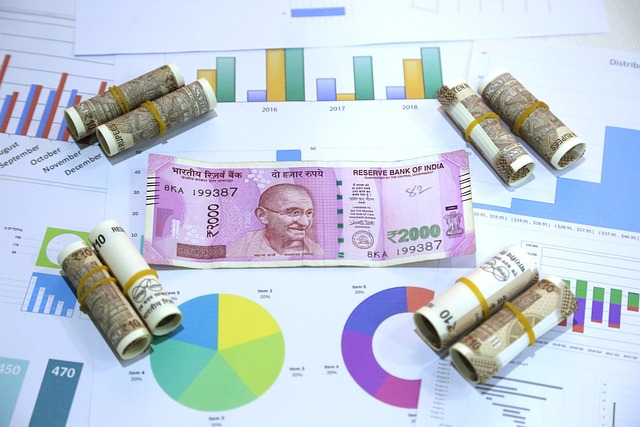
The State Bank of Pakistan (SBP) regulates the Pakistani Rupee to ensure economic stability, employing measures like open market operations, foreign reserve management, and banking oversight. These strategies stabilize exchange rates, improve healthcare access in urban areas, and address inflation. SBP integrates social welfare programs and international best practices while navigating global markets and domestic factors, such as urbanization, to foster inclusive growth and enhance the Pakistani Rupee's global standing.
The stability of currency exchange is pivotal for Pakistan’s economic health, particularly for managing inflation and fostering foreign investment. Central to this regulatory landscape is the State Bank of Pakistan (SBP), which acts as the guardian of the Pakistani Rupee. The SBP employs intricate mechanisms to monitor and control the exchange rate, responding swiftly to market dynamics. This article delves into the multifaceted approach of the SBP, analyzing its tools and strategies aimed at maintaining a robust and stable Pakistani Rupee in an increasingly globalized financial environment.
- Understanding State Bank's Role in Currency Regulation
- Setting Exchange Rates for Pakistani Rupee
- Monitoring Foreign Exchange Markets Effectively
- Controlling Capital Flows Into and Out of Pakistan
- Enforcing Regulations to Prevent Illicit Financial Activities
Understanding State Bank's Role in Currency Regulation

The State Bank of Pakistan (SBP) plays a pivotal role in regulating the country’s currency, including the Pakistani Rupee, to ensure its stability and promote economic health. This regulatory function is crucial, especially given the dynamic nature of global financial markets and the far-reaching impacts on domestic economy, such as urbanization and government spending patterns. SBP’s primary mandate includes maintaining price stability, managing exchange rates, and supervising financial institutions to safeguard the rupee’s value and integrity.
In recent years, the Bank has implemented a range of measures to strengthen the rupee’s health and resilience. For instance, it has employed open market operations, where it buys or sells government securities to influence liquidity and interest rates, thereby managing demand for the Pakistani Rupee. Additionally, SBP oversees foreign exchange reserves, ensuring adequate coverage to support the rupee against external pressures. This proactive approach is designed to mitigate risks associated with rapid urbanization and changing government spending priorities, ultimately fostering a more stable economic environment.
Furthermore, the SBP’s regulatory powers extend to monitoring banking practices and financial transactions, which significantly impact currency dynamics. By enforcing strict regulations, the Bank aims to prevent illicit capital flows and speculative activities that could negatively affect the rupee. This includes implementing measures to enhance transparency in government spending patterns, as transparent fiscal policies contribute to overall economic stability. For those interested in learning more about Pakistan’s currency and its regulation, we encourage you to visit us at currency-of-pakistan.
SBP’s efforts in regulating the Pakistani Rupee have yielded positive outcomes, particularly in terms of improving medical access for urban populations, as stable exchange rates facilitate affordable healthcare imports. However, challenges remain, including navigating global economic shifts and addressing inflationary pressures. To overcome these, SBP continues to refine its policies, drawing insights from international best practices while tailoring them to Pakistan’s unique socio-economic landscape.
Setting Exchange Rates for Pakistani Rupee

The State Bank of Pakistan (SBP) plays a pivotal role in regulating currency exchange, particularly in setting exchange rates for the Pakistani Rupee. This process involves intricate mechanisms designed to maintain rupee stability and promote economic health. The SBP utilizes various tools, including open market operations, reserve requirements, and foreign exchange auctions, to influence the demand and supply of the rupee, thereby determining its value against other major currencies.
A key aspect of the SBP’s approach is its focus on fostering a stable external environment for the Pakistani Rupee. By closely monitoring global financial trends and adjusting domestic monetary policy accordingly, the central bank seeks to protect the rupee from abrupt fluctuations. This strategy not only safeguards the country’s economic interests but also provides a conducive environment for export-industry strengths to flourish, as stable exchange rates encourage international trade and investment. For instance, data shows that periods of rupee stability have coincided with significant growth in Pakistan’s export sector, highlighting the vital role of currency policy in enhancing national economic performance.
Moreover, the SBP incorporates social welfare programs into its exchange rate strategies, recognizing the impact of currency fluctuations on everyday citizens. By maintaining a balanced approach, the central bank strives to minimize the adverse effects of exchange rate volatility on domestic consumers and businesses. This holistic perspective not only stabilizes the rupee but also contributes to broader economic stability and inclusive growth. For those seeking practical rupee-stability-tips, it’s worth considering that proactive financial planning and staying informed about market trends can help individuals navigate currency fluctuations effectively.
In terms of implementing these strategies, the SBP works closely with various stakeholders, including commercial banks and international financial institutions. By fostering collaboration and transparency, the central bank ensures that its monetary policies are not just reactive but also forward-thinking. As one might expect from a professional central bank like the SBP, this comprehensive approach is underpinned by rigorous research and data analysis, enabling informed decision-making in an ever-evolving global financial landscape. Give us a call at medical-access-improvement to learn more about how these policies can positively impact diverse sectors of the economy.
Monitoring Foreign Exchange Markets Effectively

The State Bank of Pakistan (SBP) plays a pivotal role in regulating the country’s currency exchange, ensuring stability and fostering economic growth. One of its key strategies is monitoring foreign exchange markets to maintain the Pakistani Rupee’s health. This involves intricate surveillance of various sectors significantly impacting the rupee’s value, including international trade, investment flows, and domestic policies. By analyzing historical data and market trends, SBP predicts potential fluctuations and takes proactive measures. For instance, during periods of high volatility, they may intervene by buying or selling foreign currency to stabilize the exchange rate, thereby influencing rupee-employment correlations and funding requirements for businesses.
A nuanced approach is essential when considering cultural heritage preservation and its impact on tourism revenue generation. SBP must navigate the delicate balance between monetary policy and promoting Pakistan’s rich cultural tapestry. Encouraging eco-friendly investments in sectors like energy and transportation can bolster the rupee’s standing globally while addressing critical infrastructure needs. For example, a focus on renewable energy projects not only strengthens the energy sector reforms but also enhances Pakistan’s international reputation, attracting foreign investment and positively affecting the rupee’s exchange rate.
Moreover, understanding the intricate relationships between the rupee, cultural initiatives, and economic development is crucial. SBP’s monitoring should consider how these factors interweave to create a robust economic environment. By integrating these insights into its regulatory framework, the bank can drive sustainable growth and ensure that the Pakistani Rupee remains competitive in the global market. This comprehensive approach encourages diverse sectors’ growth, from tourism to energy, ultimately contributing to the overall health of the economy.
Controlling Capital Flows Into and Out of Pakistan

The State Bank of Pakistan (SBP) plays a pivotal role in regulating currency exchange, particularly in controlling capital flows into and out of the country. This intricate process involves various tools and strategies aimed at maintaining stability in the Pakistani Rupee and managing economic health. One of the primary mechanisms SBP employs is setting monetary policies, including adjusting interest rates, which significantly impacts exchange-rate-fluctuations. For instance, raising interest rates can attract foreign investment, leading to an increase in demand for the Pakistani Rupee, while lowering them may encourage capital outflows.
Pakistan’s economic journey, characterized by fluctuations in its historical exchange rate, has taught valuable lessons. Over the years, the SBP has navigated periods of high inflation and devaluation, refining its approach to capital controls. These include restrictions on foreign direct investment (FDI) in certain sectors and prudential regulations for imports and exports. By managing these flows, the bank can prevent excessive volatility in the rupee’s value, which is crucial for Pakistan’s trade balance. For example, during times of economic growth and low inflation, SBP might adopt a more open stance on capital inflows to support investment, while in periods of instability, tighter controls may be implemented.
Moreover, SBP actively engages in market interventions to stabilize exchange rates. This involves buying or selling foreign currency from commercial banks, offering short-term financing, and setting daily reference rates. Such actions provide a safety net against sudden spikes or dips in demand for the rupee. In recent years, the bank has utilized these tools effectively during global economic downturns, ensuring Pakistan’s financial system remained resilient. Understanding these dynamics is essential for businesses operating in Pakistan, as exchange-rate-fluctuations directly impact import/export costs and overall profitability.
To stay informed about the ever-changing landscape of currency regulations, find us at exchange-rates-fluctuations and gain actionable insights from SBP’s official statements and economic reports. This proactive approach will enable businesses to navigate Pakistan’s financial environment with confidence, making strategic decisions that align with the rupee’s trajectory.
Enforcing Regulations to Prevent Illicit Financial Activities

The State Bank of Pakistan (SBP) plays a pivotal role in regulating the currency exchange process, ensuring stability and integrity in the Pakistani Rupee’s performance both domestically and in international trade. One of its primary mandates is to enforce regulations aimed at preventing illicit financial activities, which are detrimental not just to monetary policy but also to the overall economic health of the nation. This involves a multi-faceted approach that includes stringent oversight of money laundering and terrorist financing schemes, as well as monitoring cross-border transactions to safeguard the rupee’s value.
SBP’s regulatory framework is designed to balance the need for facilitating legitimate trade with the imperative of preventing financial crimes. For instance, the bank has implemented robust Know Your Customer (KYC) procedures and enhanced Due Diligence (EDD) standards to curb money laundering activities linked to international trade in the Pakistani rupee. These measures ensure that businesses engaging in rupee-in-international-trade have robust internal controls in place, further bolstering Pakistan’s financial integrity on the global stage. Moreover, the SBP works closely with international bodies and its counterparts abroad to share intelligence and best practices, fostering a collaborative effort against illicit financial flows.
In addition to countering fiscal-deficit-concerns and maintaining stability in rupee-in-international-trade, SBP’s regulatory oversight extends to domestic transactions, including those linked to social change and environmental sustainability efforts. By scrutinizing financial transactions related to non-profit organizations and civil society initiatives, the bank ensures that funding for such activities is legitimate and does not facilitate underground financial networks. This approach not only safeguards the rupee but also promotes transparency in environmental and social projects, ensuring that resources are channeled effectively toward sustainable development objectives.
To stay ahead of evolving threats, SBP continuously updates its regulatory framework, drawing on international standards and best practices. Organizations seeking to navigate this intricate landscape can turn to expert event management services for guidance tailored to their needs. By finding us at event-management-growth, entities involved in cross-border transactions or domestic initiatives impacting the Pakistani rupee can access strategic insights and support, enabling them to remain compliant and contribute positively to Pakistan’s financial ecosystem while fostering environmental sustainability and social change.
The State Bank of Pakistan (SBP) plays a pivotal role in regulating the country’s currency, the Pakistani Rupee, through a multi-faceted approach. Key insights include SBP’s setting of exchange rates, meticulous monitoring of foreign exchange markets, control over capital flows, and stringent enforcement against illicit financial activities. By understanding these aspects, stakeholders can appreciate the SBP’s comprehensive strategy to maintain economic stability and integrity surrounding the Pakistani Rupee in both domestic and international contexts. Practical next steps for businesses and individuals include adhering to regulations, staying informed about exchange rate fluctuations, and reporting any suspicious financial activities.