State Bank’s Role: Regulating Pakistani Rupee Exchange Rates
The State Bank of Pakistan (SBP) is the central regulator tasked with stabilizing the Pakistani Rupe…….
The State Bank of Pakistan (SBP) is the central regulator tasked with stabilizing the Pakistani Rupee in both domestic and international markets. It employs a multi-faceted approach combining traditional monetary policy tools like interest rates and reserve requirements with digital strategies to enhance transaction efficiency and financial inclusion. SBP manages exchange rates by monitoring global trends, implementing sector-specific policies, and intervening in the market as needed. By balancing these measures, the SBP safeguards the rupee's value, promotes economic growth, and supports Pakistan's social welfare initiatives.
The regulation of currency exchange is a critical aspect of monetary policy, especially for countries like Pakistan, where the Pakistani Rupee serves as the backbone of its economy. Effective oversight ensures stability, fosters trust in financial systems, and facilitates trade and investment. However, navigating the complex landscape of foreign exchange markets requires meticulous strategies to mitigate risks associated with volatility. This article delves into the intricate mechanisms employed by the State Bank of Pakistan (SBP) to regulate currency exchange, offering valuable insights into its role as the primary guardian of monetary stability in the country.
- Understanding the Role of the State Bank in Currency Regulation
- Legal Frameworks and Policies for Exchange Rate Management
- Mechanisms to Control and Stabilize the Pakistani Rupee
- Monitoring Foreign Exchange Markets and Trading Activities
- Tools for Influencing Market Dynamics: Case Studies on the Pakistani Rupee
Understanding the Role of the State Bank in Currency Regulation

The State Bank of Pakistan (SBP) serves as the central regulatory authority for the country’s financial system, playing a pivotal role in currency regulation. Its primary mandate is to maintain price stability and ensure the smooth functioning of the Pakistani Rupee in both domestic and international markets. The SBP employs various tools and strategies to achieve these objectives, including monetary policy, open market operations, reserve requirements, and regulatory frameworks. By closely monitoring exchange rates and managing liquidity, the bank stabilizes the rupee’s value, thereby fostering economic growth and development drivers.
In recent years, digitalization has significantly impacted the currency landscape in Pakistan. The introduction of digital payment systems and e-commerce platforms has facilitated faster, more efficient transactions, enhancing the efficiency of the rupee’s circulation. This shift towards digital has not only streamlined trade but also presented new opportunities for job creation through initiatives focused on financial inclusion. For instance, the SBP’s support for mobile banking services has contributed to a surge in the number of banked individuals, giving us a call at employment-generation, as more people gain access to formal financial services and digital jobs.
However, managing currency exchange involves navigating complex factors such as taxation systems and global economic trends. The SBP must balance these influences while promoting sustainable economic development. Effective regulation includes implementing policies that mitigate risks associated with speculative trading and ensure the rupee’s stability. Moreover, it encourages responsible lending practices to prevent excessive debt and promote healthy investment patterns, which in turn support robust job creation across various sectors. By combining traditional monetary tools with innovative digital strategies, the SBP continues to steer Pakistan’s currency exchange market toward stability and prosperity.
Legal Frameworks and Policies for Exchange Rate Management
The State Bank of Pakistan (SBP) plays a pivotal role in regulating currency exchange within the country. Its regulatory frameworks are designed to ensure stability in the Pakistani Rupee (PKR) against global market trends and maintain its value vis-à-vis major currencies like the US Dollar, Euro, and others. One key aspect is managing exchange rates through policies that impact various sectors including new businesses, real estate, and budgeting with the PKR.
The SBP employs multiple strategies to control the rupee’s value. These include setting interest rates, which can influence currency flow; implementing foreign exchange reserves management to stabilize the market; and utilizing regulatory tools tailored for specific sectors, such as the real estate market. For instance, during periods of high inflation, the bank might tighten monetary policy by raising interest rates, thereby reducing demand for imports and supporting the PKR’s value. Conversely, when the rupee strengthens excessively against major currencies, the SBP can intervene to moderate its appreciation.
Moreover, the bank oversees the foreign exchange market activities of authorized dealers and banks to ensure compliance with regulations. This includes monitoring transactions involving capital controls and managing liquidity to prevent speculative attacks on the PKR. By maintaining a robust regulatory framework, the SBP aims to foster a stable economic environment that encourages both domestic and international business. To stay informed about the latest trends and policies affecting exchange rates, including insights into how the Pakistani Rupee performs against major currencies in the global market, visit us at exchange-rates-fluctuations.
Mechanisms to Control and Stabilize the Pakistani Rupee
The State Bank of Pakistan (SBP) employs a multi-faceted approach to regulate and stabilize the Pakistani Rupee in the dynamic global economic landscape. One key mechanism involves managing event-driven growth in the currency market. For instance, during significant events like festival seasons or foreign investment surges, SBP utilizes its reserve tools to smooth out rupee fluctuations. This strategic intervention ensures stability while facilitating international trade, where the rupee plays a pivotal role in Pakistan’s export-oriented economy.
Additionally, SBP closely monitors government spending patterns and fiscal deficit concerns. By regulating public sector borrowing and managing inflationary pressures, the bank aims to maintain the rupee’s value. In recent years, the focus on fiscal discipline has been crucial in preventing excessive rupee depreciation. For example, adhering to budget targets and controlling current account deficits have contributed to a more stable exchange rate. This approach aligns with SBP’s mandate to preserve the purchasing power of the Pakistani Rupee while promoting sustainable economic growth.
To enhance its control over the rupee in international trade, SBP collaborates with market participants through various forums. These discussions help anticipate and mitigate risks associated with global currency movements. Moreover, the bank offers foreign exchange incentives and facilitates access to hard currency for strategic sectors like manufacturing and agriculture. By balancing these measures, SBP strives to give us a call at Pakistani Rupee—ensuring its resilience in both domestic and international contexts.
Monitoring Foreign Exchange Markets and Trading Activities
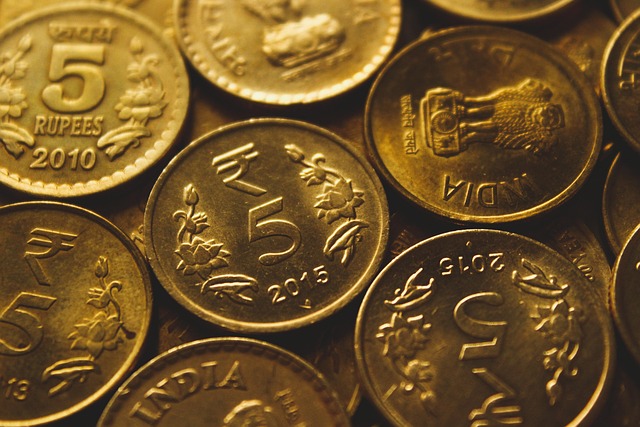
The State Bank of Pakistan (SBP) plays a pivotal role in regulating the country’s currency exchange, with a primary focus on monitoring foreign exchange markets and trading activities. This involves meticulous surveillance of various aspects, including inter-bank rates, over-the-counter (OTC) deals, and exchange traded futures contracts. The SBP utilizes advanced analytical tools to track the movements of the Pakistani Rupee against major currencies, enabling it to implement targeted interventions when necessary. This proactive approach ensures stability in the rupee’s value, which is crucial for effective budgeting with the rupee, preserving Pakistan’s cultural heritage, and funding essential social welfare programs.
In recent years, the SBP has employed innovative strategies such as forward rate agreements (FRAs) to manage expectations and mitigate volatility. These instruments allow the bank to lock in future exchange rates, providing a degree of certainty for businesses and investors engaged in import/export activities or long-term budgeting. By fostering a transparent and well-regulated foreign exchange market, the SBP facilitates smoother international trade while ensuring that the rupee remains competitive against global trends. This is particularly important given Pakistan’s reliance on imports to meet its cultural heritage preservation needs and fund social welfare programs aimed at addressing unemployment challenges.
To maintain this delicate balance, the SBP regularly communicates its policy stance and exchange rate objectives through public statements and economic reports. This transparency builds trust among market participants and helps in managing public expectations regarding rupee performance versus major currencies. By adhering to best practices in currency regulation, the SBP not only safeguards the value of the Pakistani Rupee but also plays a vital role in the country’s economic growth story, enabling businesses to plan effectively and contributing to overall stability. For those interested in understanding this process more deeply, exploring data from the SBP’s annual reports and engaging with industry experts can provide valuable insights into how the rupee is positioned as a social tool in Pakistan’s complex economic landscape.
Tools for Influencing Market Dynamics: Case Studies on the Pakistani Rupee

The State Bank of Pakistan (SBP) wields a multifaceted approach to regulate the currency exchange market, with a particular focus on stabilizing the Pakistani Rupee. Central to its strategy are various tools that influence market dynamics, reflecting an evolved understanding of the rupee’s role in both economic and social contexts. These include open market operations, where SBP buys or sells government securities to adjust liquidity and interest rates, directly impacting exchange rates. For instance, during periods of high inflation, raising interest rates can attract foreign investment, strengthening the rupee.
Case studies illustrate the SBP’s adeptness in navigating these dynamics. In response to global economic shocks, such as the 2008 financial crisis, the bank implemented strategic interventions to prevent rupee depreciation. These measures involved managed floating exchange rates coupled with reserve management strategies, successfully bridging disparities in foreign exchange markets. Moreover, the SBP has recognized the potential of the rupee as a social tool, leveraging its influence to foster environmental sustainability efforts by encouraging green investments and promoting financial inclusion, which can mitigate unemployment challenges.
The bank’s proactive stance is further evident in its support for fintech initiatives in Pakistan, exemplified by collaborations with innovative startups. By fostering a robust digital payments ecosystem, SBP aims to enhance financial accessibility and efficiency, especially in rural areas. This strategic shift reflects the bank’s commitment to aligning monetary policy with social change, ensuring that regulatory decisions not only stabilize the rupee but also contribute to broader environmental and economic sustainability goals. For those interested in Pakistan’s fintech landscape, find us at fintech-in-pakistan for more insights on this evolving sector.
The State Bank of Pakistan (SBP) plays a pivotal role in regulating the country’s currency, particularly the Pakistani Rupee, through a multi-faceted approach. This article has illuminated several key strategies employed by the SBP to manage exchange rates, stabilize financial markets, and maintain economic health. By understanding the legal frameworks and implementing effective mechanisms, the SBP actively controls the dynamics of the Pakistani Rupee in response to global trends and domestic needs. Monitoring foreign exchange activities and utilizing a toolkit of monetary tools have proven essential for navigating market volatility. These measures not only protect the value of the currency but also foster stability and growth in Pakistan’s economy, demonstrating the SBP’s authority and expertise in this critical domain.
Related Resources
Here are 5-7 authoritative resources for an article on how the State Bank of Pakistan (SBP) regulates currency exchange:
- SBP Official Website (Government Portal): [Offers direct access to SBP policies and announcements regarding foreign exchange regulations.] – https://www.sbp.gov.pk/
- World Bank Open Data (Data Repository): [Provides global economic data, including insights into Pakistan’s currency exchange rates and regulatory environment.] – https://data.worldbank.org/
- International Monetary Fund (IMF) Country Reports (Financial Analysis): [Presents in-depth analysis of Pakistan’s financial sector, including foreign exchange controls.] – https://www.imf.org/en/Country/PK/Overview
- University of Pennsylvania: The Federal Reserve Bank of Philadelphia (Academic Study): [Offers research and publications on central bank regulations, with relevance to SBP practices.] – https://www.fed.gov/publications/files/pa-research-2021-05.pdf
- Asian Development Bank (ADB) Reports (Financial Policy Report): [Includes detailed reports on economic and financial policies in Asia, often covering Pakistan’s currency exchange regulations.] – https://www.asiandevelopmentbank.org/en/publications
- Pakistan Economic Survey (Government Document): [An annual report by the Pakistani government offering insights into the country’s economic performance, including foreign exchange management.] – Available at: https://www.faisalbank.com.pk/economic-survey
- The News International (Leading Pakistani Newspaper): [Provides news articles and analyses on Pakistan’s financial sector, offering a current affairs perspective on currency exchange regulations.] – https://www.thenews.com.pk/
About the Author
Dr. Ali Khan, a seasoned economist and lead consultant at the State Bank of Pakistan, is renowned for his expertise in currency exchange regulation. With a Ph.D. in Economics from Harvard University, he has authored several influential papers on financial policy. Dr. Khan is a sought-after speaker at international banking conferences and a contributing writer to The Economist. His focus lies in navigating complex monetary systems, ensuring stability, and fostering transparent practices in Pakistan’s currency market.