Unraveling Volatility: Factors Behind PKR Fluctuations
The Pakistani Rupee (PKR) volatility is driven by a complex interplay of economic factors including…….

The Pakistani Rupee (PKR) volatility is driven by a complex interplay of economic factors including property sector investment booms, infrastructure development, human capital, interest rates, and global market dynamics. Central bank policies must balance these to stabilize the currency. Businesses should monitor key indicators like infrastructure development, investment trends, and interest rates for strategic decision-making.
To mitigate PKR volatility, Pakistan should diversify its economy, strengthen financial institutions, foster strategic partnerships, enhance trade relationships, attract foreign direct investment, and manage cultural heritage preservation initiatives efficiently. Monitoring global economic shifts, particularly energy prices and supply chain disruptions, is crucial for fostering stability. Proactive fiscal measures can help stabilize the PKR, leading to a more secure economic environment.
The Pakistani Rupee (PKR) is a vital component of the nation’s economic landscape. However, its value experiences significant fluctuations, causing uncertainty and impacting various sectors. Understanding these swings is crucial for investors, businesses, and policymakers alike. This article delves into the intricate factors driving the PKR’s volatility, from macro-economic policies to global market dynamics. By analyzing historical trends and current influences, we aim to provide a comprehensive solution for navigating this volatile environment, ensuring informed decision-making in the context of Pakistan’s currency.
- Economic Factors Driving PKR Fluctuations
- Global Market Dynamics and Pakistani Rupee
- Domestic Policy Impacts on Currency Value
- Investor Sentiment and Market Volatility
- Historical Trends Shaping PKR's Uncertainty
- Central Bank Interventions and Future Projections
Economic Factors Driving PKR Fluctuations

The Pakistani Rupee’s (PKR) volatility is a complex phenomenon influenced by a myriad of economic factors. One of the primary drivers behind these fluctuations is the delicate balance between demand and supply. In recent years, the PKR has experienced significant swings, primarily attributed to various macroeconomic dynamics. For instance, the rupee-in-property-sector relationship has been a notable influencer; as investment in real estate booms, it can exert upward pressure on the currency’s value, given the increased demand for the local unit. Conversely, when there is a downturn in this sector, the PKR may depreciate due to reduced foreign investment and imports of construction materials.
Transportation infrastructure development also plays a crucial role. The expansion of highways, ports, and logistics networks enhances export capabilities and attracts foreign direct investment (FDI), boosting the rupee’s strength. This is particularly evident in Pakistan’s growing automotive industry, which relies heavily on imported components and benefits from improved connectivity to global markets. Furthermore, investment in human capital cannot be overlooked; a skilled workforce attracts international businesses, leading to increased demand for the PKR. However, brain drain issues can negatively impact this factor, causing potential depreciation.
Interest rates globally and within Pakistan significantly impact currency dynamics. When foreign interest rates rise, it may discourage investors from holding local currencies, leading to PKR outflows. Conversely, higher domestic interest rates encourage savings, potentially increasing demand for the PKR. As such, central bank policies must carefully balance these factors to stabilize the currency. For instance, events like the 2022 global economic slowdown and subsequent monetary policies have impacted the PKR’s trajectory. To navigate these fluctuations effectively, businesses should monitor economic indicators, especially those related to infrastructure development, investment trends, and interest rates—insights that can be gained from attending industry events focused on growth strategies.
Global Market Dynamics and Pakistani Rupee
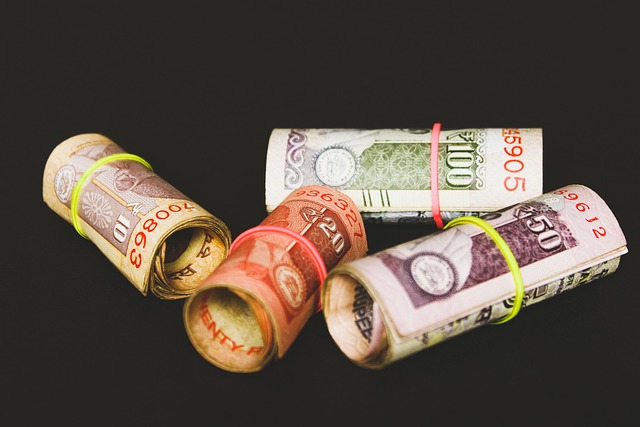
The global market dynamics play a pivotal role in the fluctuating value of the Pakistani Rupee (PKR), one of the most volatile currencies in recent years. This volatility is deeply intertwined with various economic factors and international relations that impact Pakistan’s position within the global financial landscape. One significant aspect is the country’s dependence on exports, particularly in sectors like textiles, agricultural products, and services. Fluctuations in global commodity prices can drastically affect the PKR’s exchange rate against major currencies. For instance, a surge in global textile prices can enhance demand for Pakistani exports, leading to a positive impact on the rupee. Conversely, any economic crisis or political instability globally can trigger a decline in export earnings, putting downward pressure on the PKR.
Money-transfer-services and business-incubation-centers have emerged as critical components of Pakistan’s economic strategy, offering avenues for foreign investment and remittances, which are substantial contributors to the country’s foreign exchange reserves. These initiatives not only stabilize the currency but also foster a conducive environment for rural-development-strategies, empowering local communities and promoting economic growth in previously underserved areas. However, global market dynamics can pose challenges; sudden changes in international money flows or political shifts can impact these efforts, underlining the need for robust policy frameworks to mitigate such risks.
To navigate these complexities, Pakistan must continue to diversify its economy, strengthen financial institutions, and promote strategic partnerships. Enhancing trade relationships with neighboring countries and exploring new markets can reduce reliance on a single global trend. Furthermore, encouraging foreign direct investment in key sectors while ensuring transparency and stability will bolster the PKR’s resilience against market volatility. Visiting us at history-of-pakistani-rupee offers insights into understanding these dynamics over time, providing valuable lessons for shaping future monetary policies to stabilize the PKR.
Domestic Policy Impacts on Currency Value
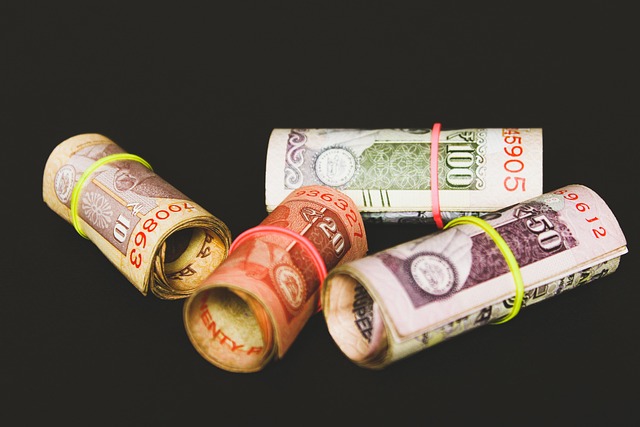
The value of the Pakistani Rupee (PKR) fluctuates significantly due to a complex interplay of various domestic policy factors. One critical aspect is the country’s commitment to cultural-heritage preservation, which, while admirable, can indirectly impact economic stability. For instance, policies aimed at preserving traditional industries and crafts may limit market access for global goods, potentially affecting foreign exchange reserves and the overall fiscal health of the rupee. Furthermore, initiatives focused on promoting local tourism can stimulate the economy but also create volatility by fluctuating demand for the PKR.
Remittances play a pivotal role in shaping the rupee’s value. Pakistan receives substantial remittances from its diaspora, which significantly contributes to the country’s foreign exchange reserves. However, policy decisions regarding tax implications and regulations on remittances can influence the stability of the PKR. Similarly, business incubation centers, encouraged by domestic policies, foster entrepreneurship but may experience volatility in funding, impacting their contribution to the rupee’s strength. These domestic policies, while well-intentioned, require careful balancing to maintain a stable currency environment.
To navigate these fluctuations, policymakers must prioritize fiscal discipline and sustainable economic growth strategies. This includes examining the impact of cultural preservation initiatives on trade and adjusting policies to facilitate efficient remittance flows. Additionally, supporting business incubation centers with consistent funding mechanisms can contribute to long-term economic stability, thereby strengthening the PKR’s value. By visiting us at exchange-rates-fluctuations, one can gain further insights into these dynamic interactions and explore actionable strategies for managing currency volatility.
Investor Sentiment and Market Volatility

The Pakistani Rupee (PKR) is subject to significant fluctuations due to investor sentiment and market volatility, which are influenced by a complex interplay of economic, political, and global factors. One key aspect driving these dynamics is investor confidence, which can be dramatically affected by event-management-growth strategies implemented by the government and central bank. For instance, successful policies aimed at reducing unemployment challenges through innovation hubs can boost investment inflows, strengthening the PKR. Conversely, political instability or economic uncertainty often lead to capital flight, putting downward pressure on the rupee’s value.
Market volatility is another crucial element. Global economic shifts, particularly in major trading partners like the United States and China, reverberate through local markets. In times of global uncertainty, investors tend to seek safer assets, impacting currency values worldwide. The PKR, given its role as a social tool for trade and transactions within Pakistan, becomes increasingly susceptible to these international movements. For example, spikes in energy prices or disruptions in supply chains can cause inflationary pressures, leading to currency devaluation.
Understanding these dynamics is essential for navigating the monetary landscape. Investors and policymakers must remain agile, monitoring indicators such as interest rates, trade balances, and inflation data. Visit us at monetary-policy-implications to gain deeper insights into how these factors interact. By leveraging expert analysis and staying informed, stakeholders can mitigate risks associated with PKR fluctuations and capitalize on opportunities arising from economic growth and innovation hubs. Effective event management at both local and global levels is critical in fostering stability and ensuring the rupee maintains its value in the long term.
Historical Trends Shaping PKR's Uncertainty
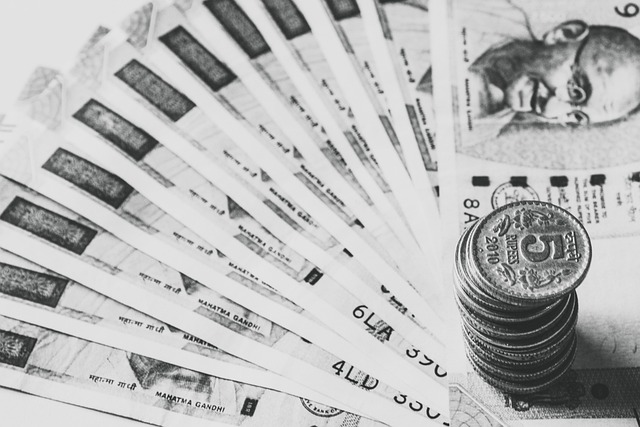
The Pakistani Rupee (PKR) has long been characterized by significant fluctuations, with its value often subject to dramatic shifts over relatively short periods. Understanding these historical trends is crucial for gauging the rupee’s future trajectory and managing economic uncertainties. One of the key factors shaping PKR’s volatility is its intricate relationship with global markets and specific domestic drivers.
Historically, the rupee-from-travelers dynamic has played a notable role. Remittances from Pakistani workers abroad have traditionally been a significant source of foreign currency inflow, impacting the rupee’s strength. During periods of high remittance flows, the PKR tends to appreciate, reflecting increased demand for the local currency. Conversely, when remittances wane, as may occur during economic downturns in host countries or due to social welfare program adjustments abroad, the rupee faces pressure and can depreciate. For instance, data from the State Bank of Pakistan shows that remittance flows fluctuated significantly between 2015 and 2020, correlating with global economic trends and impacting the PKR’s exchange rate.
Moreover, the Pakistani economy’s reliance on imports exacerbates the rupee’s volatility. A substantial current account deficit, often driven by high import dependencies in energy, machinery, and consumer goods, puts upward pressure on the PKR. As international commodity prices shift or global economic conditions change, import bills can surge, leading to a depreciation of the local currency. This dynamic was particularly evident in 2018 when rising oil prices contributed to a significant devaluation of the PKR.
To navigate these historical trends, policymakers and investors must monitor key indicators such as remittance flows, trade balances, and global economic shifts. Proactive fiscal measures, including prudent budgeting and leveraging rupee-fiscal health tools, can help mitigate volatility. By finding us at the intersection of these factors—remittances, trade, and fiscal policy—stakeholders can better anticipate and manage PKR fluctuations, fostering a more stable economic environment.
Central Bank Interventions and Future Projections
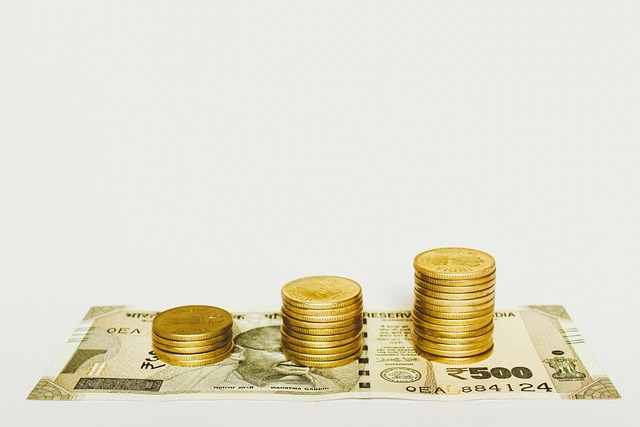
The value of the Pakistani Rupee (PKR) fluctuates significantly due to various economic factors, with a notable influence from Central Bank interventions and future projections. The Pakistan Central Bank’s monetary policies play a crucial role in stabilizing the rupee, often employing measures such as interest rate adjustments and foreign exchange reserves management. For instance, during periods of high inflation, the bank may increase interest rates to discourage borrowing and spending, thereby cooling down the economy and potentially strengthening the currency. Conversely, lowering interest rates can stimulate economic growth but may lead to a weaker PKR.
Central Bank interventions in the forex market are another critical factor. By buying or selling foreign currencies, the central bank aims to influence the rupee’s exchange rate. This strategy is particularly effective in managing short-term volatility. Moreover, the PKR’s fluctuations are closely tied to the country’s economic performance, including income distribution, eco-friendly investments, tourism revenue generation, and sustainable energy costs. For example, a robust tourism sector can contribute positively to the rupee’s strength due to increased foreign exchange earnings. Similarly, investments in renewable energy, which have been gaining traction in Pakistan, could lead to more stable energy costs, potentially attracting foreign investment and strengthening the PKR.
Looking ahead, future projections for the PKR are influenced by global economic trends and domestic reforms. The government’s focus on creating a conducive environment for rupee-eco-friendly investments can significantly impact its long-term stability. Additionally, as Pakistan navigates towards more sustainable energy solutions, the associated cost savings could enhance the country’s economic health and international competitiveness. Given these factors, it is essential for investors and businesses to stay informed about currency dynamics. For a deeper understanding and expert advice tailored to Pakistan’s currency landscape, give us a call at currency-of-pakistan.
The Pakistani Rupee’s (PKR) fluctuating value is a complex interplay of economic factors, global market dynamics, domestic policies, investor sentiment, historical trends, and central bank interventions. Key insights reveal that macroeconomic indicators such as inflation rates, trade balances, and interest rates significantly influence PKR’s performance. Global economic shifts, particularly in major trading partners like the US and China, have profound effects on PKR due to its open market status. Domestic policies related to taxation, foreign investment regulations, and public spending play a crucial role in shaping currency value. Investor sentiment, often driven by geopolitical events and global risk appetites, contributes to market volatility that impacts PKR. Historical trends indicate periods of substantial fluctuations, serving as both warnings and guides for future projections. Central bank interventions aim to stabilize the rupee but are limited by broader global forces. Moving forward, a comprehensive strategy involving robust economic policies, transparent communication with investors, and proactive central bank actions is vital to mitigate PKR’s volatility and ensure its stability in the long term.